All Categories
Featured
Table of Contents
Given that the API serves as an agreement between different components, front-end and back-end teams can work concurrently without awaiting one another. This results in shorter development cycles and faster time-to-market, as groups can focus on their specific locations of work without being bottlenecked by reliances. With a defined API, all stakeholdersfrom designers to item managersare aligned on the job's goals and expectations.
Regular conversations around the API style can also motivate feedback and innovation, leading to a more refined item. APIs can be tested independently from the rest of the application, enabling for more concentrated and efficient screening processes. Automated screening tools can be employed to verify API performance, efficiency, and security, guaranteeing that any issues are determined and resolved early in the advancement cycle.
API-First Development inherently promotes a modular architecture, making it easier to adapt and progress the software application over time. If there's a need to add new functions or incorporate with third-party services, these modifications can typically be carried out with minimal disruption to existing elements. This versatility permits organizations to react quickly to changing market demands or technological developments, ensuring that their software remains pertinent and competitive.
With clear documentation, brand-new staff member can rapidly understand how the API works and how to communicate with it. This decreases the discovering curve and allows brand-new hires to contribute successfully from the start, further speeding up the development process. By decoupling the front-end and back-end through API style, organizations can future-proof their applications.
Whether it's integrating a brand-new payment processor, adopting a different front-end structure, or leveraging cloud services, API-First Development provides the versatility to progress and innovate without substantial rework. With a clear understanding of the API and the capability to operate in parallel, teams can designate resources better. Designers can concentrate on their strengths, whether that's front-end advancement, back-end services, or API style, resulting in more effective use of talent and knowledge.
Leading Web Stacks to Consider During 2026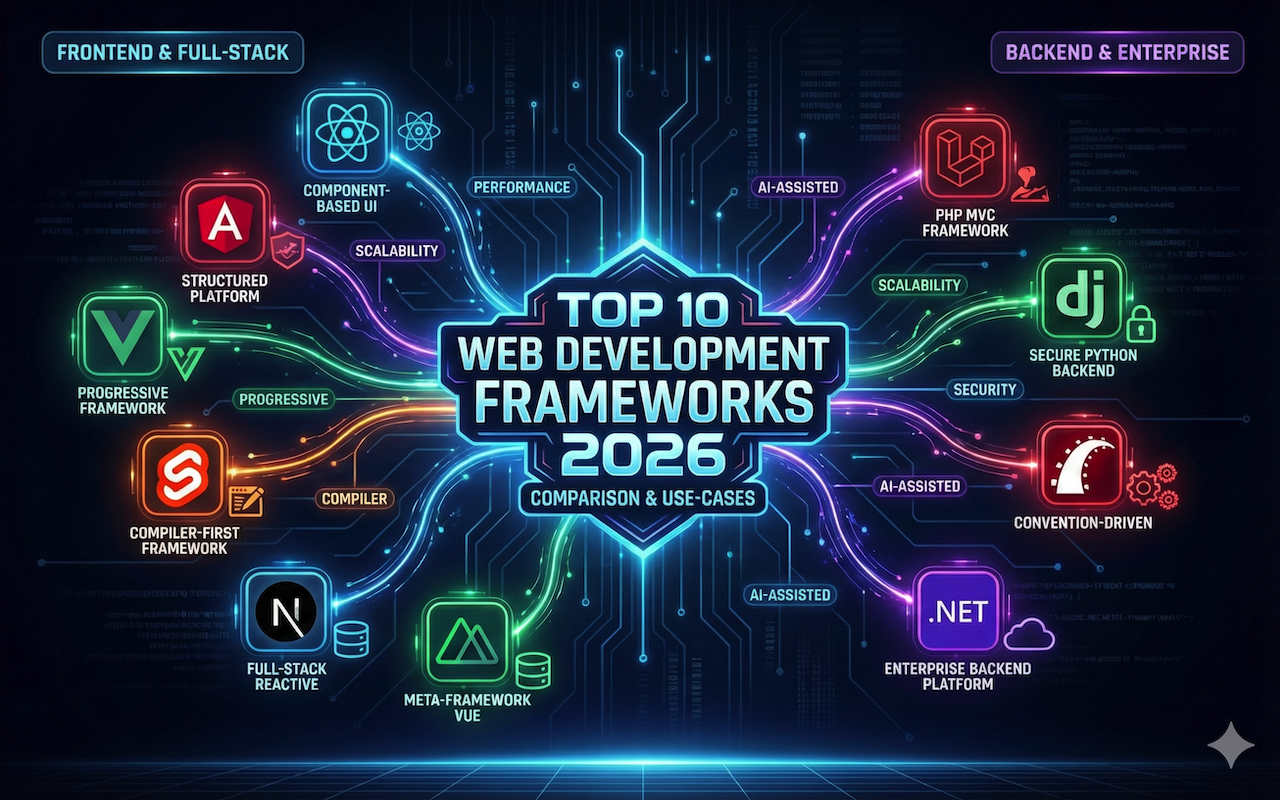
How API-First Development Accelerates Project Success
Executing API-First Advancement efficiently requires careful preparation and adherence to certain finest practices. Here are seven finest practices for successful API-First Development: Before jumping into development, invest time in thoroughly developing the API.
A well-designed API functions as a solid foundation for the whole application, making sure that all employee have a clear understanding of how the system will function. Engage all appropriate stakeholdersdevelopers, product supervisors, UX/UI designers, and even end-usersduring the API design stage. Their input can supply important insights into user needs and organization requirements, helping to form an API that truly meets the expectations of its customers.
Leading Web Stacks to Consider During 2026Comprehensive documents is crucial for API-First Advancement. Well-maintained documentation enhances the developer experience, making it much easier for teams to understand and incorporate with the API.
Key Factors for Selecting the Modern CMS
Versioning permits you to present brand-new features and enhancements without breaking existing integrations. By keeping backwards compatibility, you can ensure that consumers of the API can continue using older variations while brand-new performance is rolled out in updated versions. This practice is essential for maintaining stability and trust with your API users.
Carry out robust authentication and authorization mechanisms, such as OAuth or JWT, to safeguard sensitive data and guarantee that just authorized users can access the API. Regularly review and update security practices to deal with emerging hazards and vulnerabilities. By focusing on security in the design stage, you can mitigate dangers and build trust with your users.
Use tools that allow for system, combination, and performance screening of the API. Regular screening also ensures that changes to the API do not present regressions.
This data can notify future advancement decisions, enabling you to optimize the API for much better efficiency and user experience. Here are a couple of success stories: Spotify adopted an API-First technique to facilitate the integration of its services throughout various platforms (iOS, Android, web).
Selecting a Right CMS for Growth
Stripe, a leading payment processing platform, built its whole ecosystem around APIs. By adopting an API-First technique, Twilio makes it possible for designers to develop interaction functions (SMS, voice, video) into their apps without needing to handle the underlying facilities.
While API-First Advancement provides many benefits, it is not without its challenges. Organizations adopting this method might encounter different obstacles that can affect the efficiency of their advancement procedures. Here, we explore seven main obstacles associated with API-First Advancement: Among the primary difficulties of API-First Advancement is the preliminary investment needed in terms of time and resources.
Organizations may find it challenging to assign adequate time for this upfront design phase, particularly if they are accustomed to traditional development practices that focus on coding over design. This preliminary hold-up can be a point of frustration for teams eager to see concrete development. Comprehensive documents is a cornerstone of API-First Development, however maintaining that documentation can be a considerable challenge.
Out-of-date or unreliable documents can lead to confusion among designers and impede the adoption of the API. Organizations may discover it challenging to develop a constant process for upgrading documents, which can impact the overall developer experience. Transitioning to an API-First technique often requires a cultural shift within the organization.
This cultural resistance can result in friction and misconceptions amongst staff member. Organizations needs to invest in modification management techniques to facilitate this transition, including training, workshops, and continuous assistance to help groups adapt to the brand-new approach. Lots of organizations operate with a mix of modern and legacy systems, and incorporating new APIs with older innovations can position substantial challenges.
Essential Factors When Selecting a Modern CMS
Organizations might have a hard time to find efficient ways to bridge the gap in between old and new technologies, resulting in increased intricacy and prospective hold-ups. Resolving these combination challenges needs careful planning and a clear understanding of both the legacy systems and the new API architecture. API-First Development counts on numerous innovations and tools that simplify the design, advancement, screening, and management of APIs.
Postman: Offers features for API style and testing. API Plan: A markdown-based tool for designing APIs. AWS API Gateway: A handled service for creating and publishing APIs.

Latest Posts
Essential Factors When Selecting a Next CMS
Choosing Next-Gen Web Frameworks for 2026
Why Brands Need Predictive SEO Strategies