All Categories
Featured
Table of Contents
When services focus greatly on volume and sales velocity without equivalent attention to the client experience after the sale, it creates a disconnect. Clients seem like a number instead of a priority. Improvement starts much earlier than many people realize: It begins in marketing It continues through the sales process And it's enhanced through how customers are invited, supported, and directed For higher-ticket offers, particularly, some level of personal connection during the sales procedure is becoming increasingly crucial once again.
Group info sessions, behind-the-scenes walkthroughs, and opportunities to ask questions live can provide clearness and confidence without frustrating your capacity. As we move on, businesses that create their deals and delivery around genuine change will stick out in a congested market. Another trend that will continue to get traction is the need for well-designed gateway deals.
They desire to build self-confidence first. Not only in you, but in themselves and their ability to follow through and get outcomes. An entrance deal permits them to do precisely that. This is not about downselling or diluting your work. It has to do with producing a lined up entry point for the same audience you currently serve, one that satisfies them where they are and develops momentum.
Gateway provides a more stable, trust-based path into deeper work, and they support much healthier long-term growth. Easier circulations are ending up being more reliable, but with one crucial shift: personalization and segmentation matter more than ever.
When you can tailor messaging, content, and next steps based on somebody's objectives, preferences, and phase of awareness, the experience feels encouraging instead of overwhelming. Companies that invest the time to develop personalized journeys will see greater engagement and more powerful conversion, even with easier general systems.
Scaling Operations with Smart Systems
The services and leaders who prosper will be the ones who comprehend how all the pieces fit together. This shift impacts group functions, pricing, and how know-how is positioned in the market.
Organization owners and leaders face pressure as new competitors change markets nearly overnight. This short article delivers seven shown, actionable development methods for service that drive genuine outcomes in today's unpredictable environment.
Magnate should adjust rapidly or run the risk of being left. Understanding the forces driving change is the initial step toward sustainable success. Development techniques for company in 2026 are formed by synthetic intelligence adoption, standardized remote work, and shifting supply chains. Business now reimagine procedures, consumer engagement, and supply chain management through AI-powered systems.
Proven Frameworks for Fast-Track Revenue in 2026
Digital-first experiences are necessary, and consumers require seamless customization. Competition magnifies as startups and global brands aggressively enter brand-new markets. Over 80 percent of business prepare to boost digital investments this year. According to Gartner's Strategic Forecasts for 2026, agility and flexibility are now essential for organizations pursuing sustainable growth.
Skill scarcities make it hard to recruit and maintain proficient workers. Increasing costs and market fragmentation add complexity, especially in medical and home services sectors. These industries battle with functional inadequacies and stalled development, frequently due to out-of-date procedures or lack of digital combination. Details overload presents another barrier: decision-makers need to sift through large amounts of information to identify actionable insights.
Research shows that integrating market growth with operational effectiveness yields extraordinary results. Businesses that diversified into new markets while simplifying internal operations regularly surpassed rivals.
Transforming Operations with Intelligent SystemsEffective Sales Enablement Tactics to Global Teams
Many companies develop ambitious strategies, however just those focusing on real-world execution achieve sustainable growth. Rather than relying on unclear guidance, businesses need actionable methods and clear ownership.
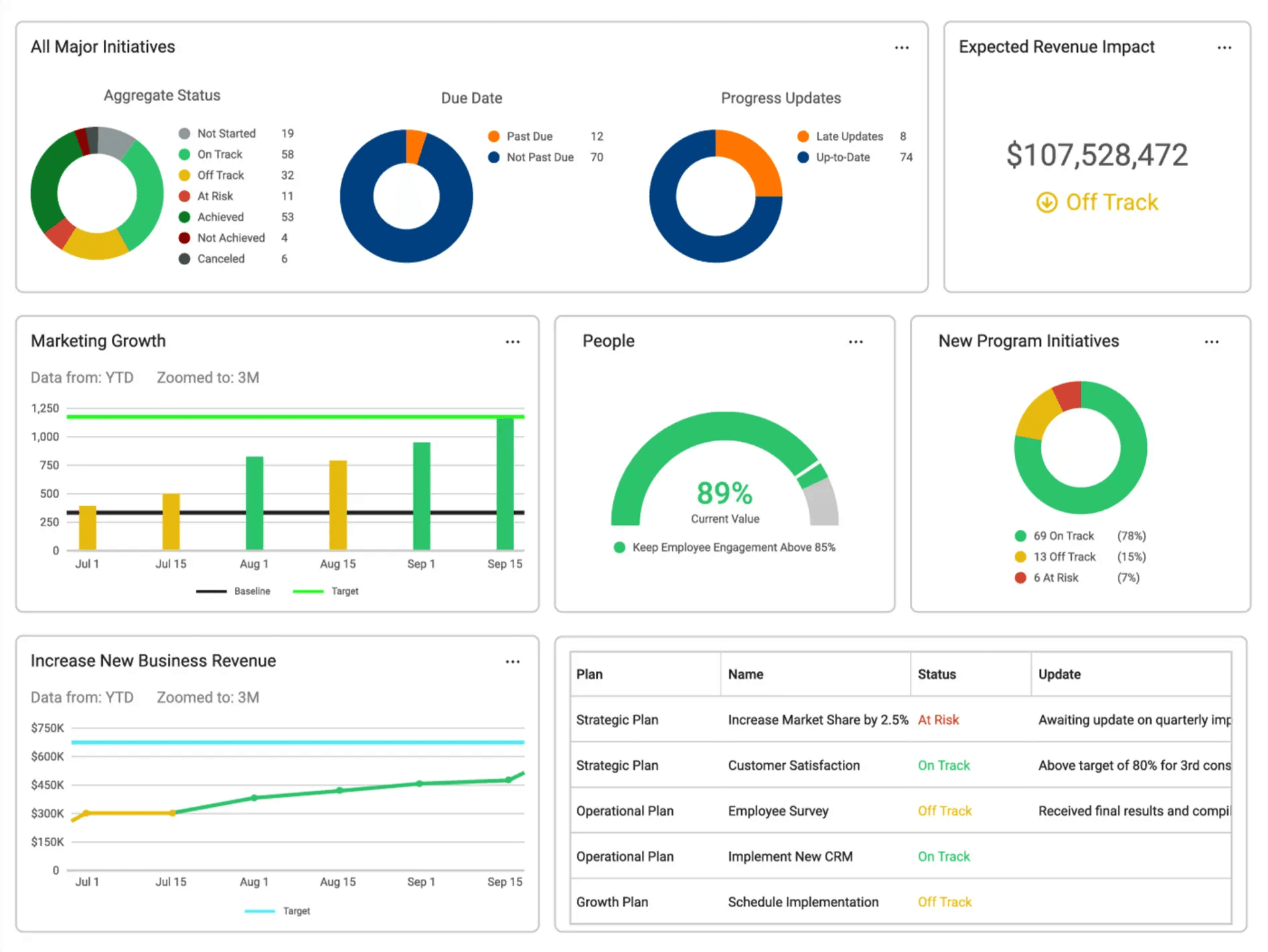
By shifting from preparing to action, leaders ensure their efforts translate into measurable outcomes. Adapting to the rapid rate of 2026 needs development, execution, and tactical vision. The most successful organizations deploy methods that are actionable, measurable, and proven in real-world circumstances. In 2026, market penetration means deepening relationships with existing customers.
Leading organizations utilize data to create sophisticated consumer division, allowing tailored offers and targeted loyalty programs. Starbucks continues to win by incorporating rewards with mobile purchasing, developing seamless and customized experiences. Companies using data-driven customization report over 20 percent greater repeat sales, showing the power of this approach. Medical practices see results by carrying out automatic patient follow-ups.
Future-Proofing Modern Enterprise to Rapid Growth
Artificial intelligence now automates much of this outreach, ensuring timely, appropriate interaction with minimal manual effort. Common mistakes consist of over-automation, which can make interactions feel impersonal, and disregarding customer feedback. To prevent these, routinely evaluation client data and carry out feedback loops. Introduce or enhance commitment programs with tiered rewardsUse AI for personalized interaction based upon customer behaviorSegment customers for customized deals matching their purchase historyEncourage referrals with rewards that reward both partiesFor more actionable concepts, examine these tested methods to accelerate development and see how genuine organizations develop much deeper consumer commitment.
Transforming Operations with Intelligent SystemsCompanies that consistently evolve their items and services remain ahead of shifting consumer requirements and rivals. Collecting constant client feedback, fast prototyping and minimum viable item (MVP) launches, and regularly tracking market trends through data analysis.
With 60 percent of 2026 development projected from new offerings, the crucial is clear. ToolPrimary Use CaseImplementation TimeCustomer surveysFeedback collection and validation1-2 weeksRapid prototypingTesting new principles before complete launch2-4 weeksTrend monitoring systemsMarket need tracking and forecastingOngoingRisk management is necessary. Balance strong relocations with small pilots, and always determine results. Prevent development for its own sake; focus on value development and genuine client effect.
This dynamic technique spreads threat and opens new profits streams. Recognizing high-potential markets starts with data.

Latest Posts
Improving Digital Performance Through AI Optimization
Evaluating Traditional SEO and Automated Methods
Top Tips for B2B Growth in 2026