All Categories
Featured
Table of Contents
To comprehend what makes a business idea scalable, we should first specify what it is not. A non-scalable company is one where expenses grow in lockstep with revenue. If you are running a consulting firm where every new client requires a brand-new high-salaried hire, you have a development company, however you do not have a scalable one.
The primary factor most designs stop working to reach escape speed is an absence of running leverage. Running take advantage of exists when a high portion of costs are repaired rather than variable. In a SaaS design, the cost of serving the 1,000 th consumer is nearly similar to the expense of serving the 10,000 th.
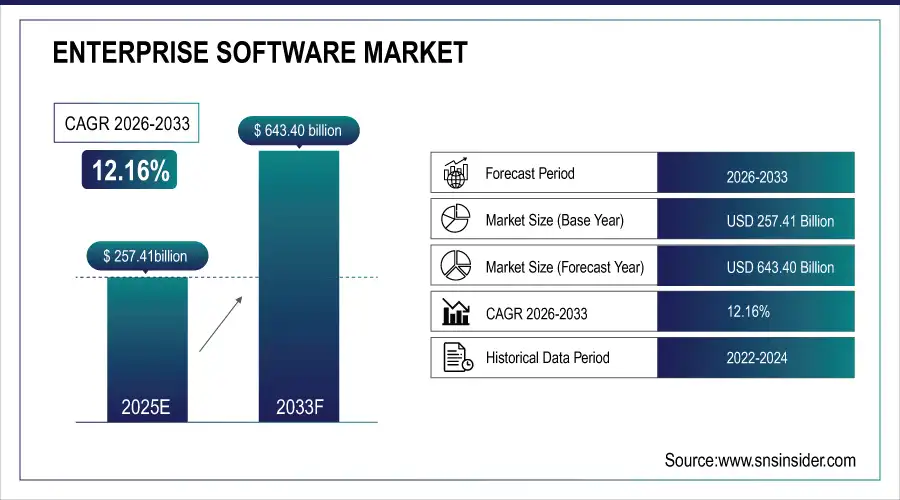
The Future of Efficiency in Your AreaIn 2026, the minimal expense of experimentation has actually dropped due to generative AI and low-code facilities. Nevertheless, this ease of entry has produced a "signal-to-noise" problem. Creators who treat experimentation as a series of random bets often find themselves with a fragmented item that lacks a core worth proposition. Scalable concepts are developed on a disciplined experimentation framework where every test is created to verify a particular pillar of the unit economics.
You must prove that you can get a client for substantially less than their lifetime worth (LTV). In the existing market, a healthy LTV to CAC ratio is 3:1 for early-stage companies, approaching 5:1 as business matures. If your triage reveals that your CAC payback period goes beyond 18 months, your concept may be viable, however it is likely not scalable in its present type.
We call this the Scalability Triage. When we deal with creators through our startup studio, we utilize this framework to examine every brand-new concept before committing resources to advancement. The technical structure should be developed for horizontal scale from the first day. This does not indicate over-engineering for millions of users when you have ten, however it does indicate selecting an architecture that does not need a total reword at the very first sign of success.
Essential Drivers for Profitable Enterprise Growth
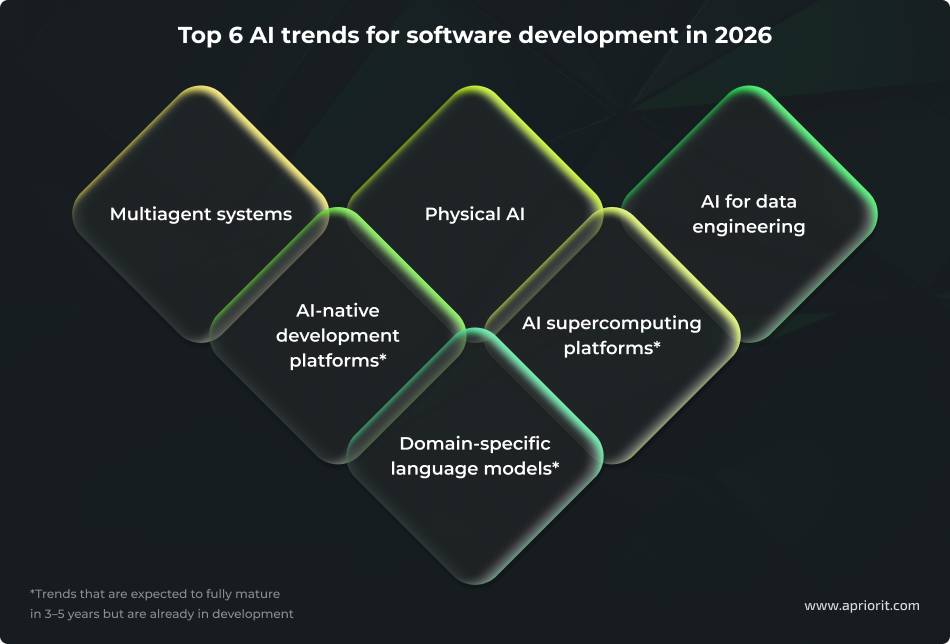
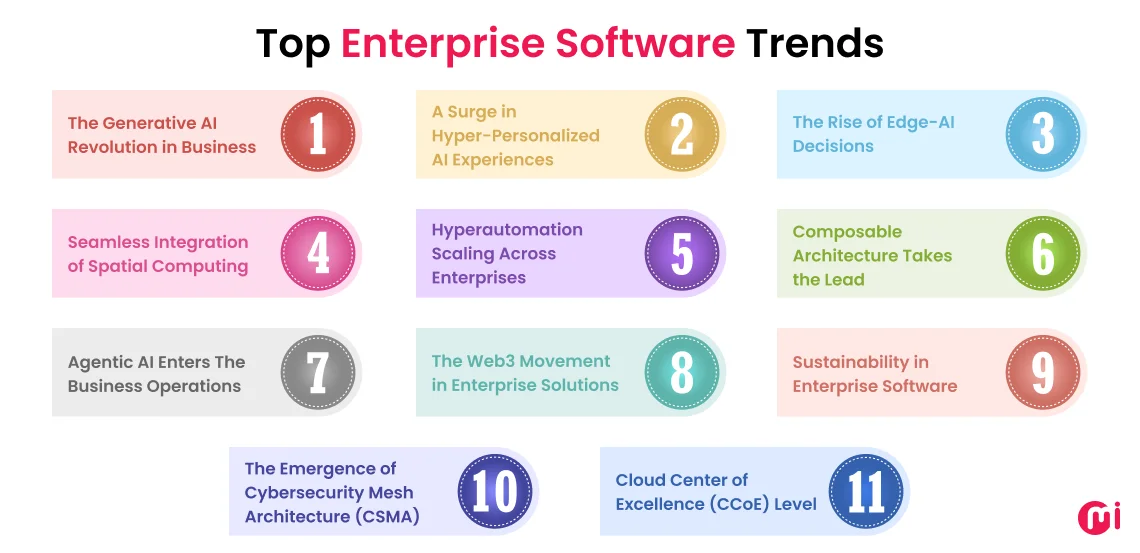
Economic scalability is about the "Reasoning Benefit" and the marginal expense of service. In 2026, the most scalable organization concepts take advantage of AI to handle the heavy lifting that previously required human intervention. Whether it is automated client success, AI-driven material small amounts, or algorithmic matching in a market, the objective is to keep the human-to-revenue ratio as low as possible.
Distribution is where most scalable concepts pass away. If you rely entirely on performance marketing (Facebook and Google advertisements), your margins will become consumed by increasing CAC. Scalable distribution needs a "Proprietary Data Moat" or a viral loop that reduces the expense of acquisition over time. This might indicate product-led growth (PLG), where the item's energy increases as more people from the same organization join, or a community-led model, where users become your main supporters.
Investors in 2026 are trying to find "Substance Startups"business that resolve a broad variety of incorporated problems instead of offering a single point option. This method causes greater Net Income Retention (NRR) and creates a "sticky" ecosystem that is difficult for rivals to displace. Among the most appealing scalable service ideas is the development of Vertical AI services for highly regulated sectors such as legal, health care, or compliance.
By concentrating on a particular niche: like AI-assisted agreement evaluation for construction companies or scientific trial optimization for biotech, you can construct a proprietary dataset that becomes your main competitive moat. In 2026, worldwide policies are ending up being progressively fragmented. Small to medium enterprises (SMEs) are struggling to keep up with moving cross-border information laws and environmental mandates.
Winning Frameworks for Fast-Track Revenue by 2026
This design is exceptionally scalable due to the fact that it resolves a high-stakes issue that every growth-oriented business ultimately deals with. The health care sector stays one of the biggest untapped opportunities for technical scalability. Beyond easy EHRs (Electronic Health Records), there is a growing requirement for "Orchestration Engines" that coordinate care in between specialists, drug stores, and patients using agentic workflows.
Information Sovereignty: Is the information kept and processed in compliance with local policies (GDPR, HIPAA)? Audit Trails: Does the system provide a transparent, immutable log of AI decision-making? Expert-in-the-Loop: Does the workflow permit human oversight at crucial recognition points? The role of the product supervisor has actually been transformed by agentic workflows.
By evaluating consumer feedback, market patterns, and technical debt in real-time, these tools can supply actionable roadmaps that align with service objectives. Numerous conventional service companies are ripe for "SaaS-ification." This involves taking a labor-intensive procedure, like accounting, law, or architectural style, and building a platform that automates 80% of the output.
This design attains the high margins of SaaS while preserving the high-touch value of an expert service firm. The key to scalability in this space is "Productization." Instead of selling hours, you sell an outcome. For an architectural company, this may indicate an AI-powered tool that produces 50 floorplan iterations based upon site constraints in seconds.
This decoupling of labor from earnings is the necessary ingredient for scaling a service-based endeavor. As more experts transfer to fractional work, the "SaaS for Services" design expands into skill management. Platforms that offer fractional CFOs or CMOs with a standardized "Strategic Stack": consisting of control panels, reporting templates, and AI-assisted analysis, enable these professionals to deal with 5x more customers than they could individually.
Effective Sales Enablement Tactics to Global Leaders
Marketplaces are notoriously difficult to start however exceptionally scalable once they reach liquidity. In 2026, the focus has shifted from horizontal markets (like Amazon or eBay) to extremely specialized, vertical markets that offer deep value-added services. As the "Fractional Economy" grows, there is a massive chance for markets that connect high-growth startups with part-time C-suite talent.
Validation: Using AI to keep an eye on the "Health" of the relationship and suggest course corrections before turnover takes place. Scalable organization concepts in the circular economy space are driven by both consumer need and ESG guidelines.
By resolving the "Trust Gap," these markets can charge a premium take rate (typically 20% or greater). Standard supply chains are fragmented and ineffective. A scalable market concept involves developing a platform that manages the whole supply chain for a particular niche, such as ethical style or sustainable construction products.
Creating Sustainable Enterprise Funnels that Convert
The most effective vertical markets in 2026 are those that embed financial services into the transaction. This might imply offering "Buy Now, Pay Later On" (BNPL) options for B2B procurement, offering specialized insurance for secondary market transactions, or handling escrow services for high-value talent agreements. By capturing the financial circulation, the market increases its "Take Rate" and builds a considerable barrier to entry for generic competitors.
A scalable service idea in this space includes building a marketplace for "Green Steel," recycled plastics, or sustainable lumber. The platform's worth lies in its "Verification and Certification" engine, guaranteeing that every deal satisfies the progressively strict regulatory requirements of 2026. Navigating the intricacies of identifying a scalable business model needs more than just theory, it requires execution.

Latest Posts
Improving Digital Performance Through AI Optimization
Evaluating Traditional SEO and Automated Methods
Top Tips for B2B Growth in 2026